

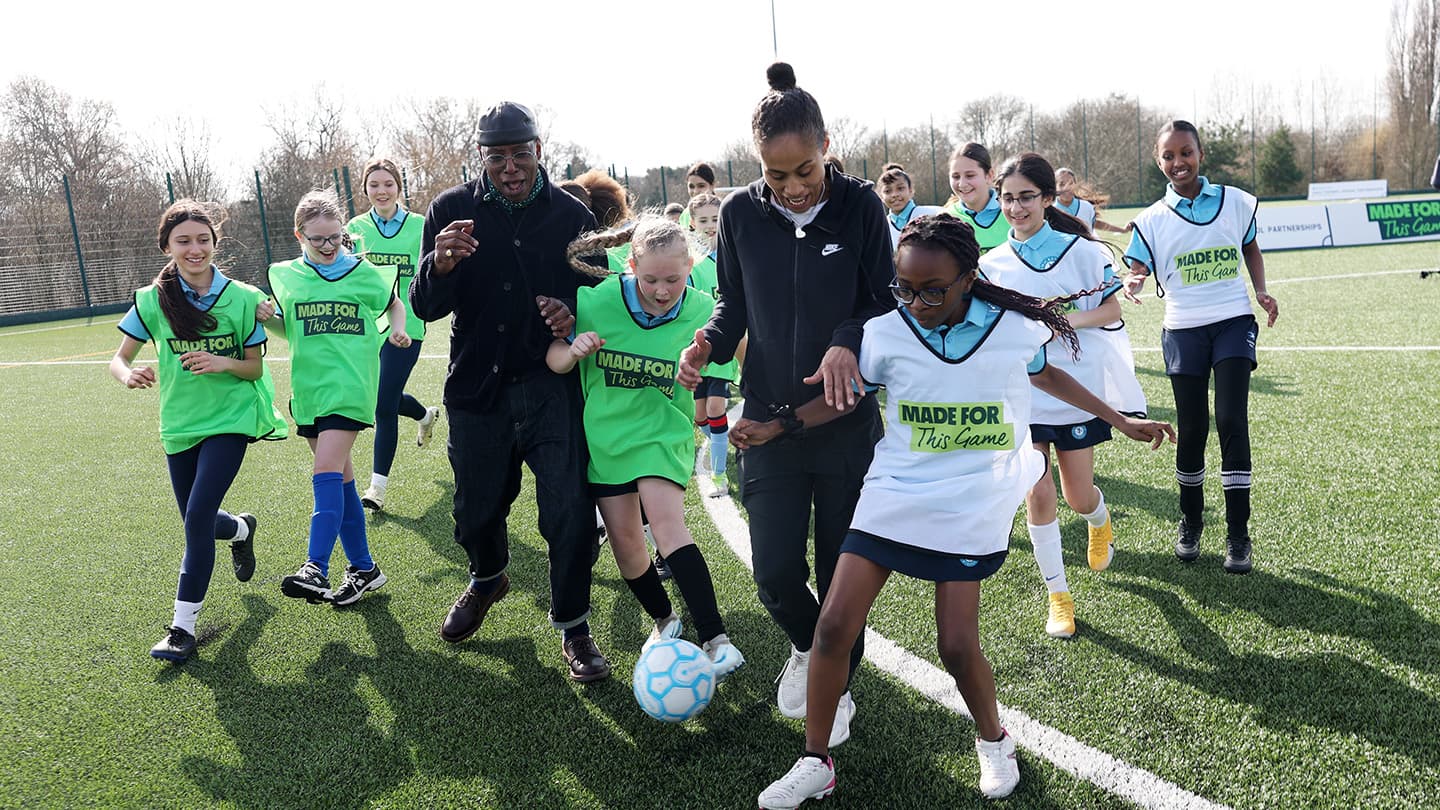
The Quick Read
The women's game reached new heights in 2025. Now clubs must support the coaches and volunteers who'll carry it forward.
Key Intelligence
30-Second Summary
2025 has been a landmark year for women's and girls' football. The Lionesses became back-to-back European champions, 15.9 million people watched the final, and participation rose 5% from pre-tournament levels. But the most significant shift is happening behind the scenes: female grassroots coaches are up 12%, female referees up 29%, and 21,526 women are now volunteering across the game. After years of player growth outpacing support structures, the people powering women's football are finally catching up. The challenge for 2026 isn't recruitment - it's development and retention. Clubs that give these coaches and volunteers the tools, clarity, and support they need will keep them. Those that don't will watch them walk away.
The Signal
The women's game reached new heights in 2025. With women's football coaches and referees growing faster than ever, the challenge for 2026 isn't recruitment - it's retention.
The Lionesses didn't just defend their European crown - they became the first senior England team to win a major tournament overseas. 15.9 million people watched the final. Searches for girls' football opportunities surged 196% the day after the trophy was lifted. By October, participation had risen 5% from pre-tournament levels.
According to the FA's Reaching Higher Year 1 Update, 76% of girls now say they're interested in women's professional football - up 4% from before the tournament. The visibility, the inspiration, the cultural moment: all undeniable.
But the most important numbers in the report aren't about players. They're about the people behind them.
Female grassroots coaches are up 12% year-on-year. Female referees are up 29%. There are now 3,425 female match officials, with a 14% increase from underrepresented groups. The FA funded 484 women to complete UEFA C coaching qualifications, and 50 more for UEFA B. And across men's and women's football combined, 21,526 women are now volunteering.
For years, participation growth outpaced everything else. More girls wanted to play than there were coaches to develop them, referees to officiate their matches, or volunteers to run their clubs. That gap is finally closing.
The question for 2026 isn't "Can we recruit more coaches?"
It's "How do we develop, support and retain the coaches and volunteers we have?"
Lasting Legacy of EURO 2025
Engagement
viewers watched the UEFA Women's Euro 2025 final
growth across Lionesses' social channels
of girls say they're interested in women's professional football
of women believe football is for girls and boys equally
Participation
increase in women and girls playing football
female registered teams
increase in female registered referees year-on-year
increase in female grassroots coaches year-on-year
Source: FA Reaching Higher Year 1 Update
The Pattern
The people behind the game are finally catching up
This is the headline the FA report doesn't explicitly state, but the data makes clear. After sustained years of growth and awareness in women's football, the coaches, referees, and volunteers are coming through the system at scale.
The 12% rise in female grassroots coaches and 29% rise in female referees represent real progress on what has been one of the game's most persistent challenges. You can't grow participation without growing the people who deliver it. For the first time, both curves are moving together.
The FA's investment in coach development - 484 women funded for UEFA C, 50 for UEFA B, a new Player to Coach initiative engaging players from Tiers 2 and 3 - shows a pathway being built deliberately. The 103 women supported through the refereeing Emerging Talent Programme show the same intent on the officiating side.
We must use our successes to continue to develop and professionalise the game across the whole women's football pyramid.
This is no longer a crisis of recruitment. It's a test of retention.
Recruitment without support creates a revolving door
Every grassroots club knows this pattern: a newly qualified coach arrives full of enthusiasm, runs a team for a season, gets buried in admin and communication chaos, and quietly steps away.
Bringing people in isn't enough. Clubs have to keep them.
That means giving new coaches clear onboarding, simple digital tools, predictable season structures, visibility over player development, and - crucially - less admin burden. A qualified coach without a support structure is a short-term coach. A qualified coach with the right tools becomes the backbone of a club for years.
The women's game has done the hard work of inspiring a new generation of coaches and officials. Now clubs must do their part: make it sustainable to stay.
Schools are building the next generation - of players and coaches
The Reaching Higher report celebrates a milestone reached three years ahead of schedule: 90% of schools now deliver equal access to football in PE for girls at Key Stage 2 and Key Stage 3. That means 2.6 million girls now have equal access to football education - a 31% increase since the 2020/21 season.
This isn't just a player pipeline. It's a coach pipeline.
The passionate sportswomen coming through the school system today are tomorrow's volunteers. Girls who fall in love with football at 10 don't just become players at 14 - they become young leaders, then junior coaches, then the people running sessions at their local clubs.
Clubs that create welcoming environments, clear pathways, and visible opportunities for progression won't just attract players. They'll grow the next generation of people who power the game.

Visibility has raised expectations
15.9 million people watched the Euro 2025 final. The Lionesses' social channels grew 12% during the tournament. Women's football is covered, celebrated, and scrutinised like never before.
That visibility changes expectations.
Players and parents now expect professional-level communication, organised match days, structured development, and clarity around fixtures and roles. Grassroots clubs can no longer rely on last-minute WhatsApp messages and scattered information. The women's game has set new standards. Clubs must meet them.
2025 will be remembered as a historic year for women's sport: we must use this momentum to drive the game forward.
The Practice
Here are six practical steps clubs can take to support and retain the coaches, referees, and volunteers the women's game needs in 2026.
1. Treat coach onboarding as seriously as player recruitment
A new coach's first season shapes whether they stay or go. Clubs should provide clear expectations, a named point of contact, access to club-wide systems, and a realistic picture of the time commitment. Don't let new coaches figure it out alone. The investment in their first three months pays back for years.
2. Reduce admin burden before it drives people away
Late availability chasing, fixture confusion, scattered communication - these are the tasks that exhaust volunteers. Automated reminders, centralised messaging, and templated workflows can give coaches back hours every week. If your systems create admin rather than reduce it, they're part of the problem.
3. Create visible pathways from player to coach
The FA's Player to Coach initiative shows what's possible at elite level. Clubs can mirror this by identifying older players interested in coaching, offering assistant roles, supporting qualification costs, and celebrating progression publicly. The 14-year-old who loves the game today could be running your U10s in five years.
4. Unify communication so volunteers don't drown in noise
Multiple WhatsApp groups, emails that go unread, fixture changes lost in threads - this chaos falls hardest on the volunteers trying to coordinate it. One channel for fixtures and match updates. One source of truth for the whole club. Simplify early, and volunteers can focus on football rather than firefighting.
5. Give coaches visibility over player development
Coaches stay engaged when they can see progress. Simple season-long tracking - attendance, playing time, engagement, development notes - helps coaches plan sessions, have better conversations with parents, and feel the impact of their work. This doesn't require elite analytics. It requires consistency.
6. Build club culture that values volunteers publicly
Recognition matters. Thank coaches in club communications. Celebrate qualifications. Acknowledge the hours given. A culture that visibly values its volunteers attracts more of them - and keeps the ones it has.
The Principle
Women's football isn't growing because of strategies or funding alone.
It's growing because of people. Coaches who give up their Tuesday evenings. Referees who turn up in the rain. Volunteers who answer messages at 10pm on a Sunday. Parents who became team managers because someone had to.
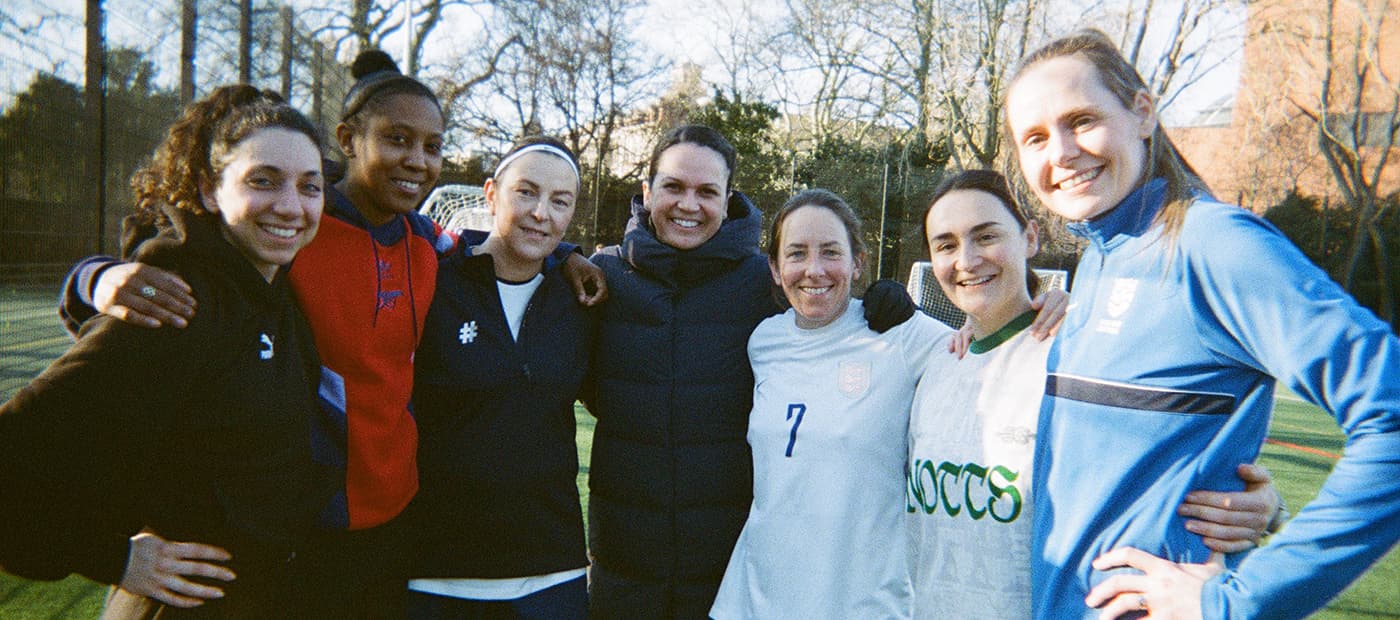
The FA's "Made for This Game" campaign celebrates the people powering women's football
The FA's Reaching Higher report shows these people are finally arriving in numbers that match the demand. That is worth celebrating.
But arrival isn't enough. The game needs them to stay.
Clubs that honour this new generation - with clear systems, reduced admin, proper support, and genuine appreciation - will build something lasting. Clubs that treat them as replaceable will keep replacing them, season after season, wondering why nothing sticks.
The women's game has momentum. The people are here. The opportunity is real.
Now it's about what clubs do next.
Your Move This Week
Ask three questions about your club's women's and girls' setup:
1. How are we onboarding new coaches - and who's responsible for supporting them?
2. Where are volunteers losing time to admin that could be automated or simplified?
3. Do we have a visible pathway for players who might become coaches?
You don't need to fix everything before 2026. But knowing where the gaps are is the first step to closing them.
The Bottom Line
The women's game reached new heights in 2025.
15.9 million watched. Participation rose. Female coaches and referees grew faster than ever before.
But growth means nothing if the people powering it burn out.
2026 is an opportunity - to welcome the coaches coming through the system, to support the referees stepping onto pitches, to build clubs that people want to stay at.
The game is flourishing because the people in it are.
Honour them.
tactico.
The game, uncompromised.
Sources & Context
1. Primary: FA Reaching Higher: Year 1 Update (2025) - Participation data, workforce statistics, school access metrics.
2. Primary: FA Reaching Higher Strategy Document (PDF) - Full report with detailed breakdowns.
3. Video: Reaching Higher - Year 1 Update - FA summary video.
First published: December 2025